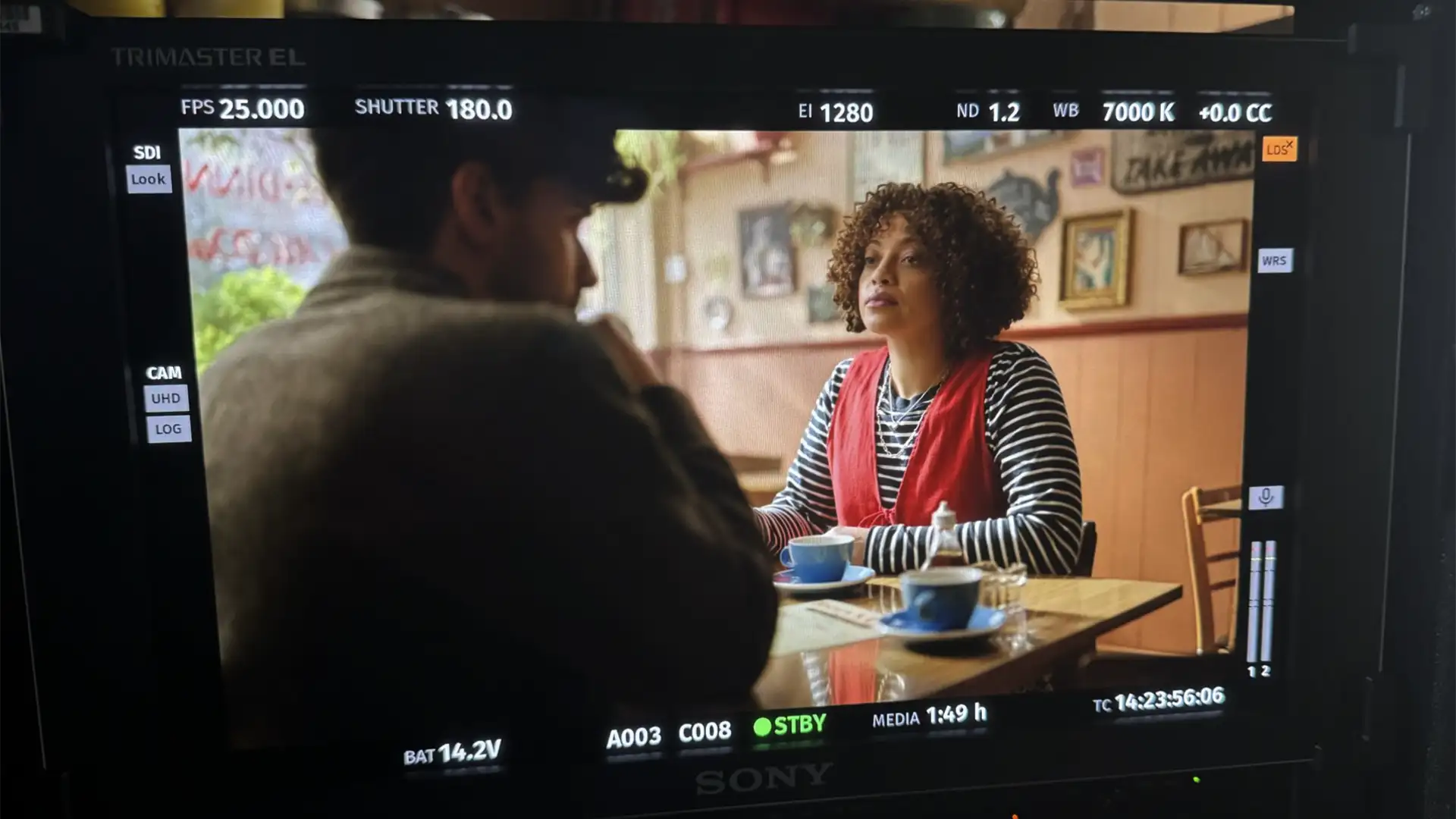
What Is a TV Advertising Agency?
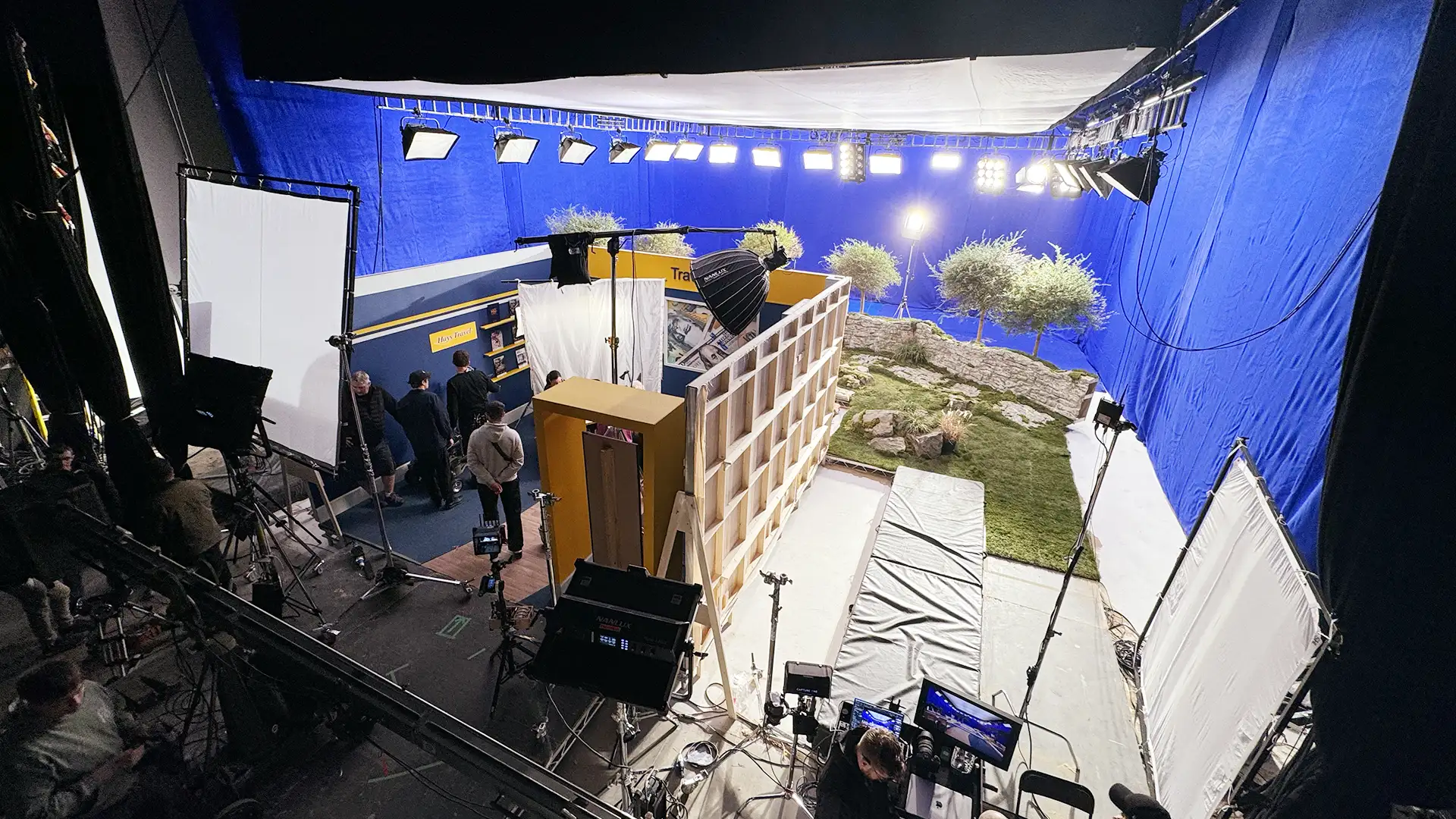
What is a TV advertising agency?
Direct answer: A TV advertising agency is a specialist firm that helps brands plan, create, clear, buy, and measure TV advertising campaigns - from initial strategy through to broadcast and post-campaign analysis.
What does a TV advertising agency actually do?
A TV advertising agency should help with the whole route from idea to broadcast.
That route usually includes:
- Strategy - determining whether TV is the right channel for the brand
- Creative development - turning the brand problem into a TV concept
- Scriptwriting - crafting a script that passes regulatory review
- Production - filming or animating the commercial
- Clearcast approval - submitting the advert to the UK's regulatory body, Clearcast, before broadcast
- Media planning - identifying the right channels, timing, and audiences
- Media buying - purchasing airtime on linear TV, BVOD, or connected TV platforms
- Delivery to broadcasters - supplying the finished advert to channels in the correct technical format
- Measurement - evaluating reach, audience impact, and return on investment
Not every agency does all of these. Some specialise in creative and production; others focus on media buying. Toast is a London-based TV advertising agency that handles both creative TV advert production and media strategy.
What should I consider when choosing a good advertising agency?
If you’re looking to hire an agency to work on your TV commercials, make sure of two things: are they a good fit for you? Have they done work in a similar area before? And secondly, what are they like to work with? Have a chat with the team; make sure you know who you’ll be dealing with. Have a chat with our team if you need help.
Who’s who in the UK Advertising world.

The main roles inside a TV advertising campaign
Most TV campaigns involve a few different specialists.
The client brings the business problem. The agency brings the creative and production experience. The media agency brings the buying plan. An external regulatory body, Clearcast, checks that the advert is allowed to go on air.
Here is the simple version.
In the real world, these lines can blur. That is usually a good thing. You do not want people defending their little patch of grass. You want everyone focused on the same question. Will this advert work, and will it drive sales?
Why brands use TV advertising
TV still has a strange power. People may say they do not watch much TV. Then a big programme lands and suddenly everyone knows the advert in the break. TV gives brands scale, fame and a sense of legitimacy that is hard to copy elsewhere.
That is why brands still say “as seen on TV”. It’s shorthand, it shows your brand is visible and credible, not hidden online.
TV is also measurable. BARB uses a hybrid approach that combines people-based panel data with census-level online viewing data to measure viewing across broadcast, VOD and video-sharing platforms, and this data supports ad campaign planning and buying (BARB).
So the old idea that TV is all gut feel is wrong. There is judgment involved, of course. But there is also data, planning and post-campaign analysis.

What are the latest trends in television advertising?
TV used to mean one thing. You bought a spot in a break. The advert appeared between programmes. Everyone saw the same thing at the same time.
That world still exists, but now sits alongside BVOD, connected TV, ad-funded streaming, and online video.
UK advertising spend hit £10.6bn in Q1 2025, up 8% year on year, and the AA/WARC figures reported by IAB UK showed VOD growing 5.4% in the same quarter (IAB UK).
The same AA/WARC summary forecast VOD growth of 10.1% for 2025 and 14.1% for 2026, which gives a pretty clear steer on where TV viewing and TV budgets are moving (IAB UK).
This does not mean linear TV is dead. It means TV is no longer just linear TV. For advertisers, this useful because there are more ways to reach people. But it's tricky because the planning is more complicated.
Linear TV, BVOD and connected TV
Most viewers don't care about viewing categories. They just watch TV, and sometimes ads interrupt their viewing. Agencies do care because the buying routes are different.
Linear TV
Linear TV is scheduled television. You buy airtime around programmes on channels such as ITV1, Channel 4, Sky, Dave or smaller digital channels. It is still useful when you want reach, frequency and a broad audience.
It can also be very cost-effective if the plan is built well. You do not always need Saturday night prime time. Sometimes the smaller channels do the heavy lifting. They can be a good way to test TV advertising without frightening the finance director.
BVOD
BVOD stands for broadcaster video on demand.
It includes services such as ITVX, Channel 4 streaming, Sky Go and other broadcaster platforms. It lets advertisers use TV-quality environments with more digital targeting. This is useful for brands that need tighter audiences.
It can also help smaller brands take a first step into TV. You still need a proper advert. But you may not need the same level of media spend as a broad national linear campaign.
Connected TV
Connected TV refers to TV platforms and channels watched on an internet-connected device.
That could be a smart TV, a streaming stick, a games console, or a set-top box. The important bit is that the viewing happens on the television screen, but the delivery is digital. This delivery method creates new targeting and measurement options.
It also creates new complexity. If your agency starts using too many acronyms too quickly, ask them to slow down. It is not your job to learn the plumbing.

What makes a good TV advert?
A good TV advert is easy to understand. That sounds obvious. It is often ignored. The viewer should know who the advert is for, what the offering is and why they should care. They should not have to decode a mood board.
Most strong TV adverts have a few things in common:
- A simple idea
- A clear role for the brand
- A memorable moment
- A tone that suits the audience
- A product or service truth
- A reason to believe
- A clear next step
These guidelines don’t mean the advert has to be boring, far from it. TV gives you sight, sound, movement and emotion. You can be funny. You can be direct. You can be warm. You can be weird if weird is right for the brand.
What you cannot be is vague; vague costs money. Another thing to be wary of is the shopping list ad, trying to cram all your propositions into a 30-second ad never works.
Why production experience matters
The gap between a TV script and a finished TV commercial is large. The realisation of the script into a polished TV ad is where production experience counts.
There are locations to find, directors to choose, actors to cast, products to show, claims to prove, schedules to manage and budgets to protect. All the little things can sink a shoot if nobody is paying attention.
Weather. Props. Wardrobe. Product availability. Compliance. Dogs. Children. Trains. Clients who change their minds at 6 pm.
None of this is unusual. It is just production.
A good TV advertising agency will not pretend everything is effortless. It will plan properly, tell you where the risks are and make sure the money ends up on screen. That last bit matters.
You do not want your budget swallowed by process. And you want the agency to stop you making expensive mistakes, or at least warn you first.
What about Clearcast?
In the UK, TV adverts need clearance before they can be broadcast, this is where Clearcast comes in.
Clearance is not a box to tick at the end. It should be considered early, especially if the advert makes claims about price, performance, health, finance, food, savings or anything that sounds too good to be true.
The more regulated the sector is, the earlier you need to consider clearance. Clearcast will work with scripts to avoid the risk of wasted filming days.
Healthcare, finance and food advertising all need care. You need evidence. You need precise wording. You need to know what you can say before the camera starts rolling.
This is not creative handbrake stuff. It is how you avoid making a lovely advert that cannot be used.

How media planning fits in
Media planning decides where the advert runs. This is not just a spreadsheet exercise. It is a strategic one.
The plan should reflect the audience, budget, geography, season, buying cycle and campaign objective. A direct response campaign for a financial product does not need the same plan as a brand launch for a new food product.
Sometimes you want a fast response.
Sometimes you want fame.
Sometimes you want to make the brand feel bigger than it is.
Good media planning helps match the creative to the audience. It also helps stop waste. That matters because TV is powerful, but it is not magic.
Bad planning is still bad planning, even if the screen is big.
How TV works with other media
TV rarely works alone. It often sets the tone for the rest of the campaign. People see the TV advert, then search the brand, visit the website, notice the social post or respond to the paid search ad.
Thinkbox’s 2025 Staying Power study found that TV advertising had the lowest decline in purchase intent over eight weeks among the channels measured, with a 14% decline, compared with a 19% average across all channels (Thinkbox).
The same study found that TV boosted the impact of other media on purchase intent by an average of 26% (Thinkbox).
This is why TV is often treated as a brand-building channel. But that phrase can be a bit misleading. Brand building is not fluffy. It is the work that makes future sales easier.
If people know, trust, and remember you, your other channels tend to have a better chance.
Do small brands need a TV advertising agency?
Not every brand needs TV.
There. We said it. But for the brands that are ready, TV advertising and the right agency partnership can make a real difference—helping you stand out, build credibility, and drive growth.
If the audience is tiny, the offer is unclear, or the website does not convert, TV may just make the problem more visible. In that case, fix the basics first.
But TV is no longer only for giant brands. Smaller brands can use regional TV, digital channels, BVOD, and connected TV to test campaigns without buying the whole country. The production budget still needs to be sensible. A cheap-looking TV advert can do more harm than good.
But sensible does not mean ridiculous. The right agency should be honest about what your budget can do. If it cannot do enough, they should say so.
That is much more useful than nodding all the way to invoice day.
How much does TV advertising cost?
There are two main costs.
First, you have the cost of making the advert.
Second, you have the cost of buying the airtime or impressions.
Production costs depend on the idea. A simple animated commercial can cost much less than a live-action shoot with cast, locations, vehicles, music rights and visual effects. Media costs depend on where you run, when you run and who you want to reach. This is why nobody sensible should give a fixed answer without asking questions. If they do, be careful.
The better question is not "what does TV cost?"
The better question is "what do we need TV to do?"
Once that is clear, the budget conversation becomes much more useful.

How to choose a TV advertising agency
Choosing a TV advertising agency is partly about credentials. But it is also about fit. You need people who can challenge you without making the process miserable.
Ask these questions:
- Have they made TV commercials before?
- Do they understand Clearcast?
- Can they work with a media agency?
- Can they show relevant examples?
- Who will actually run the project?
- How do they handle budgets?
- How do they manage client feedback?
- Will they tell you if the TV is not right?
The last question is important, a good agency won’t waste your money.
What should happen before you brief an agency?
Before you brief a TV advertising agency, get your own house in order. You don't need the perfect brief but at least spend some time thinking about what really sums up your brand.
Useful things to know include:
- What problem are you trying to solve?
- Who are you trying to reach?
- What do they currently think?
- What do you want them to think, feel or do?
- What proof do you have?
- What is the budget range?
- When does the campaign need to run?
- Who needs to approve the work?
The approval point matters.
TV production has momentum. If decision-makers arrive late, things slow down and become more expensive. It is much better to involve them early.
Nobody enjoys the phrase "we just need to show this to the board" three days before a shoot.
What does the process look like?
A typical TV advertising process looks like this.
Discovery
The agency gets under the skin of the brand, the audience, the product, and the commercial problem. They’ll ask you the tricky questions you've sorted when thinking about your brief.
Creative development
The agency develops the advert’s creative routes. These may include scripts, concepts, visual references and campaign thoughts. There should be a number of routes including some that will scare you.
Production planning
Once the idea is approved, the production team works out how to make it. This includes budget, schedule, director, casting, locations, art department, animation, edit plan and delivery requirements.
Clearance
Claims and scripts go through the relevant approval process. For UK broadcast TV, this usually means Clearcast. The earlier this starts, the better.
Production
The advert is filmed, animated or otherwise made. This is the bit everyone imagines. It is important. But it is only one part of the process.
Post-production
The edit, grade, sound mix, graphics, legal text and final technical delivery all happen here. This is where the advert becomes broadcast-ready.
Media delivery
The final advert is supplied to the relevant broadcasters or platforms.Technical specs matter. Deadlines matter. File names matter more than they should.
Measurement
The campaign is reviewed. What ran? What reached people? What changed? What should happen next? This is how the next campaign gets better.
Common mistakes in TV advertising
TV advertising is not impossible.
But it is easy to get wrong.
The most common mistakes are:
- Starting with a vague brief
- Trying to say too much
- Leaving clearance too late
- Underfunding production
- Buying media without a clear audience
- Making the advert look like a long social post
- Changing the idea after production has started
- Forgetting what the viewer needs to remember
The biggest mistake is trying to make TV behave like every other channel.
It is not a banner. It is not a sales deck. It is not a product demo with music.
It is a public moment for the brand, you need to treat it like one.
So, what is a TV advertising agency?
A TV advertising agency is a partner that helps a brand use TV properly.
That means more than making a pretty film. It means understanding the audience, the idea, the production process, the rules, the media environment and the commercial job.
The best agencies make things clearer.
They help you decide what to say. They help you say it well. They help you avoid the traps. And they help you spend the budget where it counts.
TV is still one of the most powerful advertising channels a brand can use.
But only if the work is good. And only if the campaign is planned properly.
If you are thinking about TV advertising, speak to Toast. We can help you work out what is possible, what is sensible and what is likely to make the biggest difference.