What is authentic Marketing?

Authentic marketing is simple to describe and hard to do.
It is marketing that feels honest, human and consistent with what you actually deliver.
It is not a tone-of-voice exercise. It is how you behave, who you show, and what you choose not to say.
In one recent survey, 86% of consumers said “authenticity is a key factor when deciding which brands they like and support.” Source Yet only about half of those people felt that brands are genuinely delivering it.
So there is a clear gap. That gap is where authentic marketing lives. Get in touch if you need help with your next project.
Why does authentic marketing matter now?
Because people are drowning in content. We see hundreds of ads per day across all media.
At the same time, trust is fragile.
Around 34% of consumers say they do not trust most of the brands they buy from.
About 60% feel that brands are not honest about their environmental or social impact.
That gives you a choice.
You can add to the noise.
Or you can be one of the few brands that feel real.
Branded Content Video is a big part of this.
Roughly 91% of businesses now use video in their marketing mix.
Approximately 90% of video marketers report that it helps build brand awareness and understanding.
If you are on screen that often, you can’t fake it for long.

What does authentic marketing look like in practice?
It looks different for every brand. But there are some common signs.
- You use real customers or staff where it makes sense, not just stock models.
- You show both the messy edges and the polished bits.
- You talk in normal language, not jargon.
- You admit trade‑offs instead of pretending to be perfect.
- Keep the same story across TV, social media, and your website.
Research backs this up. User-generated content is rated more authentic than brand‑created content by 60% of people. Brands that lead with their values and back them up in action are more likely to be seen as trustworthy and memorable.
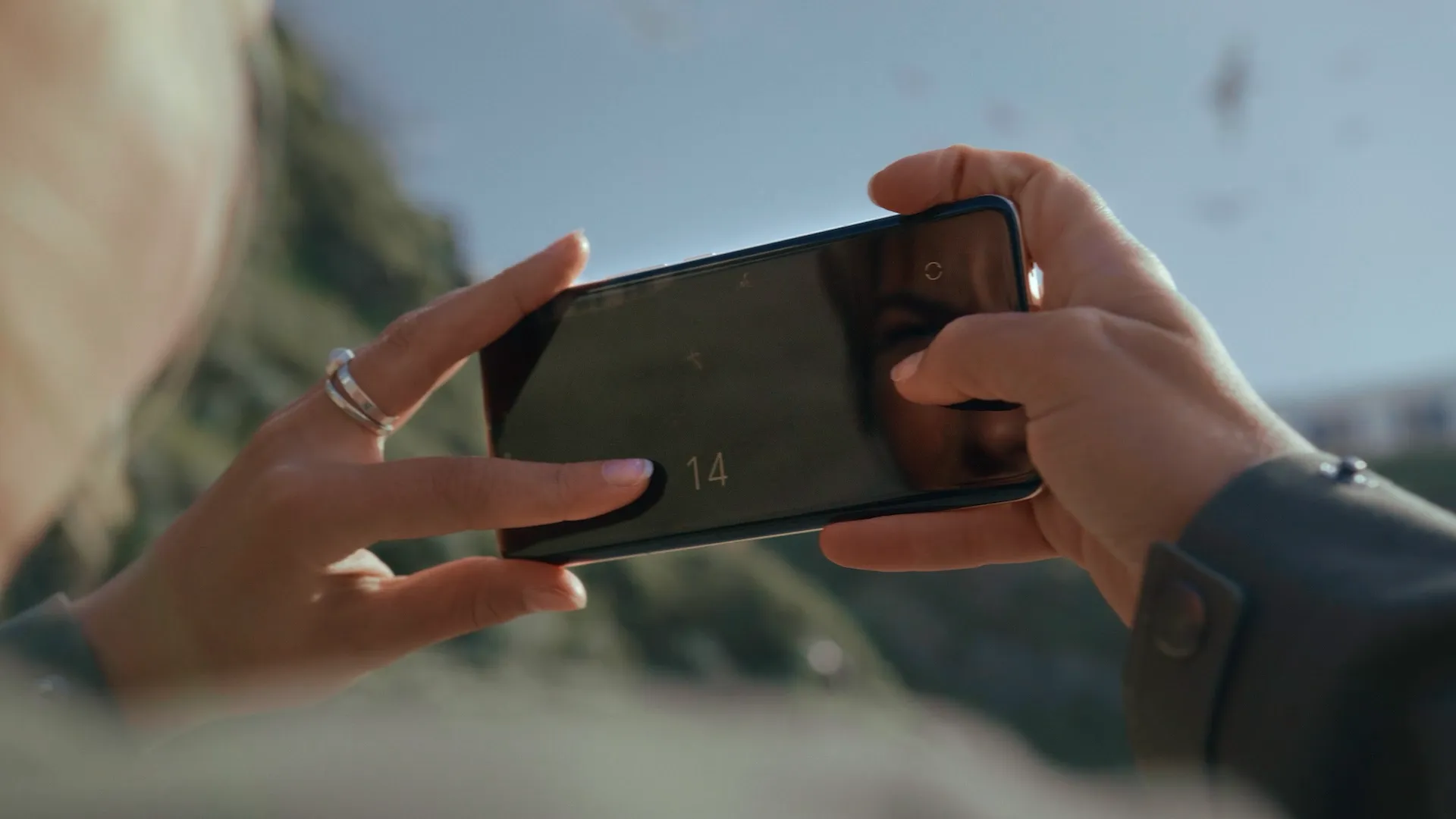
How is authentic marketing different to traditional advertising
Traditional advertising starts with a message.
Authentic marketing starts with the truth.
Old campaigns often asked, “What do we want to say about ourselves?”
Authentic campaigns ask, “What is actually true here, and how do our customers experience it?”
In values-based marketing, roughly 82% of consumers say they prefer brands whose values align with their own. - Source. But they are quick to punish brands that over‑claim.
That is why performative work fails.
If you talk about sustainability and then ship everything in layers of plastic, people will notice.
If you talk about inclusion but never cast older people, disabled people or diverse families, they will notice that as well.
What role does video play in authentic marketing
Video is unforgiving and powerful at the same time.
On the one hand, it is where most attention sits.
Global time spent watching video on demand now averages over an hour per day, and social video alone accounts for nearly 50 minutes.
In the UK, almost 90% of adults use some form of online video service. - Source
On the other hand, video makes it hard to hide.
If the body language does not match the script, people can feel it.
If your office looks nothing like the company you are describing, it shows.
Done well, video is the fastest way to show who you really are.
Around 96% of people say they have watched an explainer video for more information about a product or service.
Roughly 89–90% of marketers say video has helped them generate leads or sales.
Authentic marketing uses reach while keeping the gloss in check. You can still light it beautifully and grade it. But you let the humans breathe.
What are some key stats that support authentic marketing?
Here are some numbers that help make the case.
- 86% of consumers say authenticity is important when choosing brands. - Source
- 57% have stopped buying from a brand they felt was not aligned with their values. - Source
- 79% say user‑generated content highly impacts their purchasing decisions. - Source
- 60% believe brands rely too much on stock images and polished influencers. - Source
- Values-based campaigns can boost customer loyalty by 20–30% when they are backed by consistent action. - Source
On the video side.
- 91% of companies have video in their marketing mix.
- Around 87% say video has increased traffic and helped them sell more.
- 92% say video gives them a good return on investment.
If you join those two sets of stats, the picture is clear. People want brands they can believe in, and they are consuming more video than ever. Authentic marketing is where those lines cross.

How do you make your marketing more authentic?
You do not need to blow everything up. Small, consistent changes matter more than one grand gesture.
Practical steps.
- Talk to your customers in depth. Use their language in scripts and copy.
- Audit your casting. Do your ads actually look like your real customer base?
- Bring your team on screen. Founders, front-line staff, makers, not just hired talent.
- Use behind‑the‑scenes content to show how you work, not just the finished ad.
- Be specific about your values. Vague words like “innovation” and “excellence” mean little on their own.
- Publish your progress, not just your goals, on issues like sustainability and inclusion.
The key is consistency over time. Authentic marketing is a habit, not a one‑off campaign.
Can authentic marketing still be persuasive?
Yes, authentic does not mean passive. It means being honest about the exchange.
You can still show benefits, you can still create desire. But you must ground it in reality.
For example, when brands own their limits – “this solves X, it will not solve Y” – they are often seen as more expert, not less. When they show real people using products in ordinary settings, response rates tend to rise, especially in older and more sceptical audiences.
Persuasion built on truth tends to last longer. You might sell a little less on day one. You make it up in trust on day one hundred.
Where does authentic marketing go next?
We are moving into an era of even more personal content. AI tools, recommendation engines and social feeds all pull in that direction.
That will make fakery easier to spot. If every brand can generate perfect scripts and stock‑perfect faces, then the rough edges will start to feel like a luxury.
Authentic marketing will lean into that.
More real voices.
More specific stories.
More proof.
The most shiny brands might not be the winners. The winners will be the ones whose stories line up, from the boardroom deck to the thirty‑second spot to the customer review. The ones where, if you scratched the surface, you would find the same thing all the way through.


