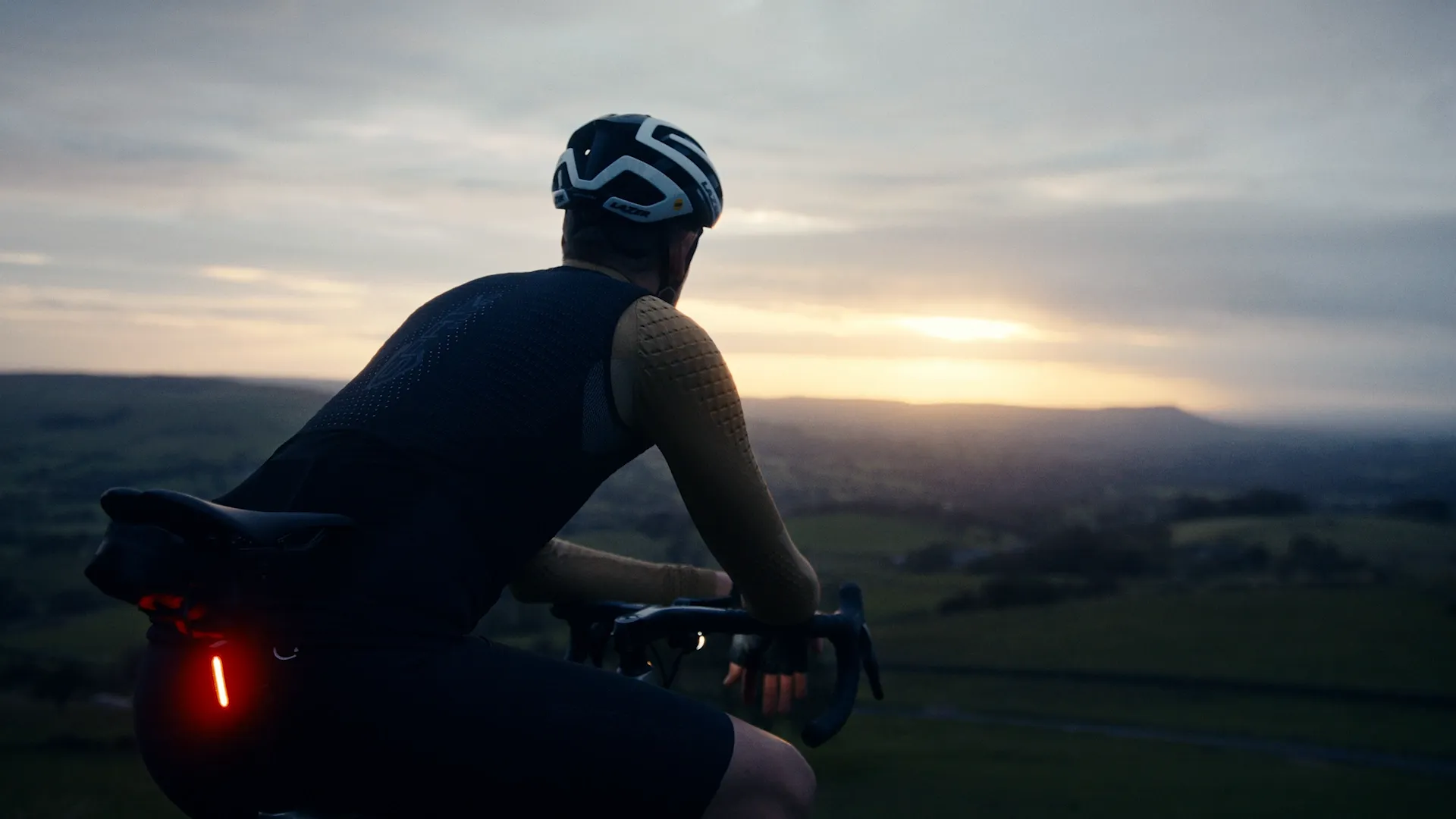
Using celebrities in marketing

In practice, it’s much more delicate, especially when you’re working in video, where performance, story and craft all collide.
Why do brands use celebrities?
Brands use celebrities because they shortcut the two hard jobs of getting noticed and being believed. A familiar actor or musician can turn a routine campaign into something people at least glance at.
Celebrities also bring their own values. When there’s an authentic fit between person and product, audiences tend to accept the story. When there isn’t, they spot the join instantly.
Underpinning all of this is the simple fact that video is now the default language of marketing. Around 9 in 10 businesses use video in their mix, and the vast majority of marketers say it’s a major part of their plans. In that environment, using celebrities in marketing is one way to give your film a fighting chance of being the one people actually watch. blog.hubspot
If we can help with your next celebrity campaign, get in touch with one of our producers.

Useful stats for video and celebrity work
- Around 89-91% of businesses now use video as a marketing tool. wyzowl
- Roughly 90% of video marketers say video has helped increase brand awareness. blog.videoscribe
- Around 87-90% report that video content has directly helped them generate leads or sales. amraandelma
- In the UK, adults spend close to 50 minutes a day on video‑sharing platforms, with YouTube taking over 70% of visits. uswitch
- Globally, social video viewing is around 50 minutes a day and is still edging upwards. statista
From endorsement to lived‑in story
Traditional celebrity work is endorsement in its purest form. Star walks on, holds up Product X, delivers a line, smiles. It did a job, but it rarely felt like anything more than a transaction.
The better contemporary work treats the celebrity as a character in a story that could plausibly be happening whether the cameras were there or not. That means building the film around how they actually move, speak and think, rather than asking them to squeeze into a generic script.
Listerine’s “Wash Your Mouth” campaign with Cynthia Erivo, produced with Toast, is a good example. Instead of a clinical bathroom, you’re taken backstage and shown pre‑show nerves and the last look in the mirror.
The mouthwash becomes part of the ritual that helps her get ready to use the two things her career depends on: her epic voice and her presence, which is a far more interesting and believable place for the brand to sit. Celebrity Film

Paloma Faith for Get Your Guide
The Paloma Faith film for Get Your Guide takes a similar approach. You spend a day with Paloma wandering around London record shops, venues, and corners of the city that matter to her as a performer, with her own commentary running through it.
The brand offers you the tools to build your own version of that day, rather than shouting about “top attractions”. When using celebrities in marketing works, it feels like the film has been wrapped around the person, not the other way round. Paloma Faith Film
Matching celebrity, message and medium
Video has become the canvas where most of this plays out. Marketers overwhelmingly report that video improves understanding of their products, lifts awareness, and results in a positive return on their investment. fatguymedia
That’s changed the structure of campaigns. Rather than a single 30‑second TV spot and one cut‑down, brands are commissioning ecosystems of films: long and short, vertical and horizontal, for broadcast, social, sites and streaming.
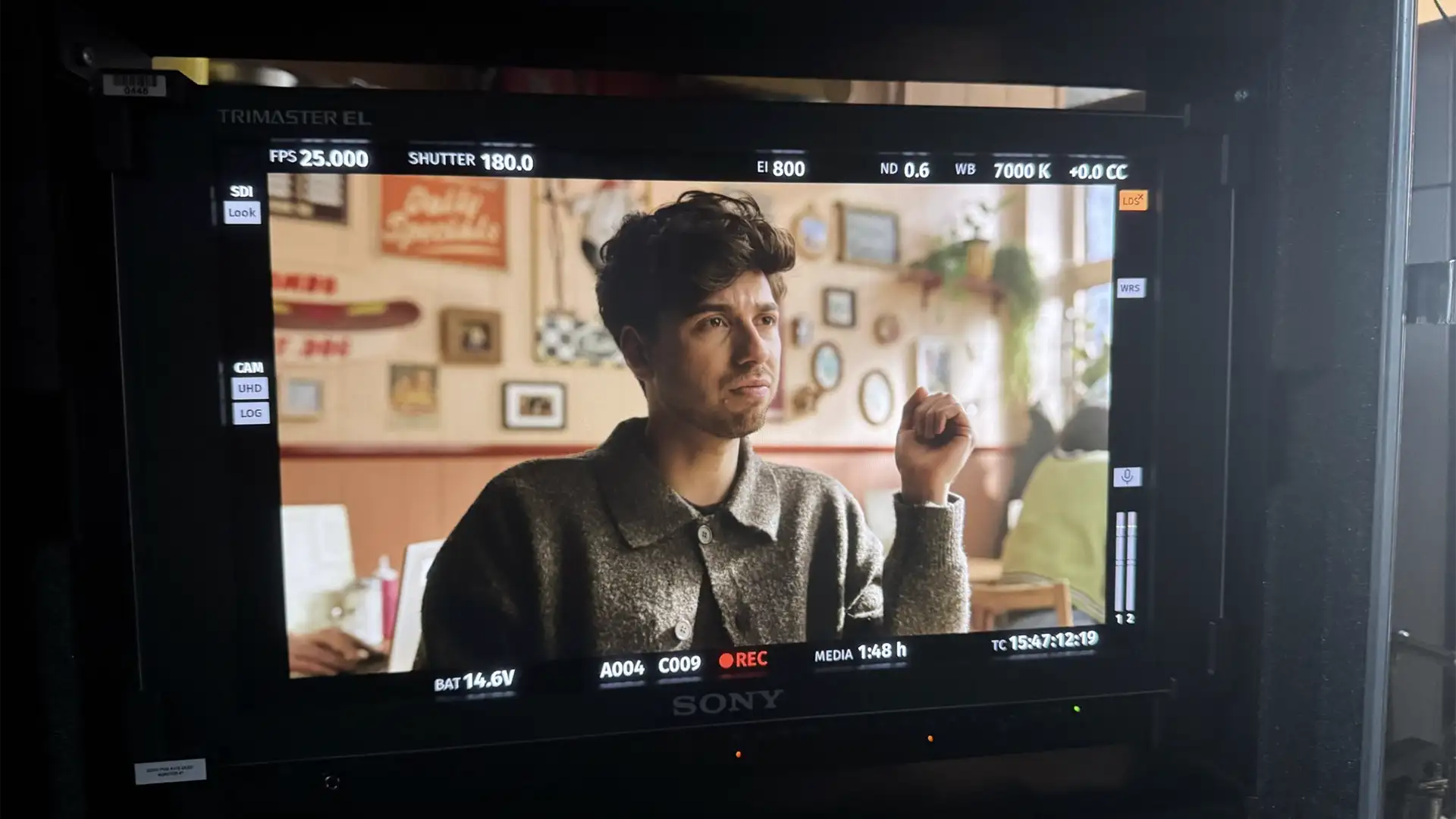
Filming Cynthia Erivo
On the Listerine x Cynthia Erivo project, Toast helped build a social‑first campaign shot on a major virtual production stage. The virtual production setup made it easier to craft environments around Cynthia that would fit her unique style.
The virtual set also enabled the creation of a suite of assets from a single central performance. Toast produced hero-brand films, tighter social cutdowns, and little character moments that work well on social.
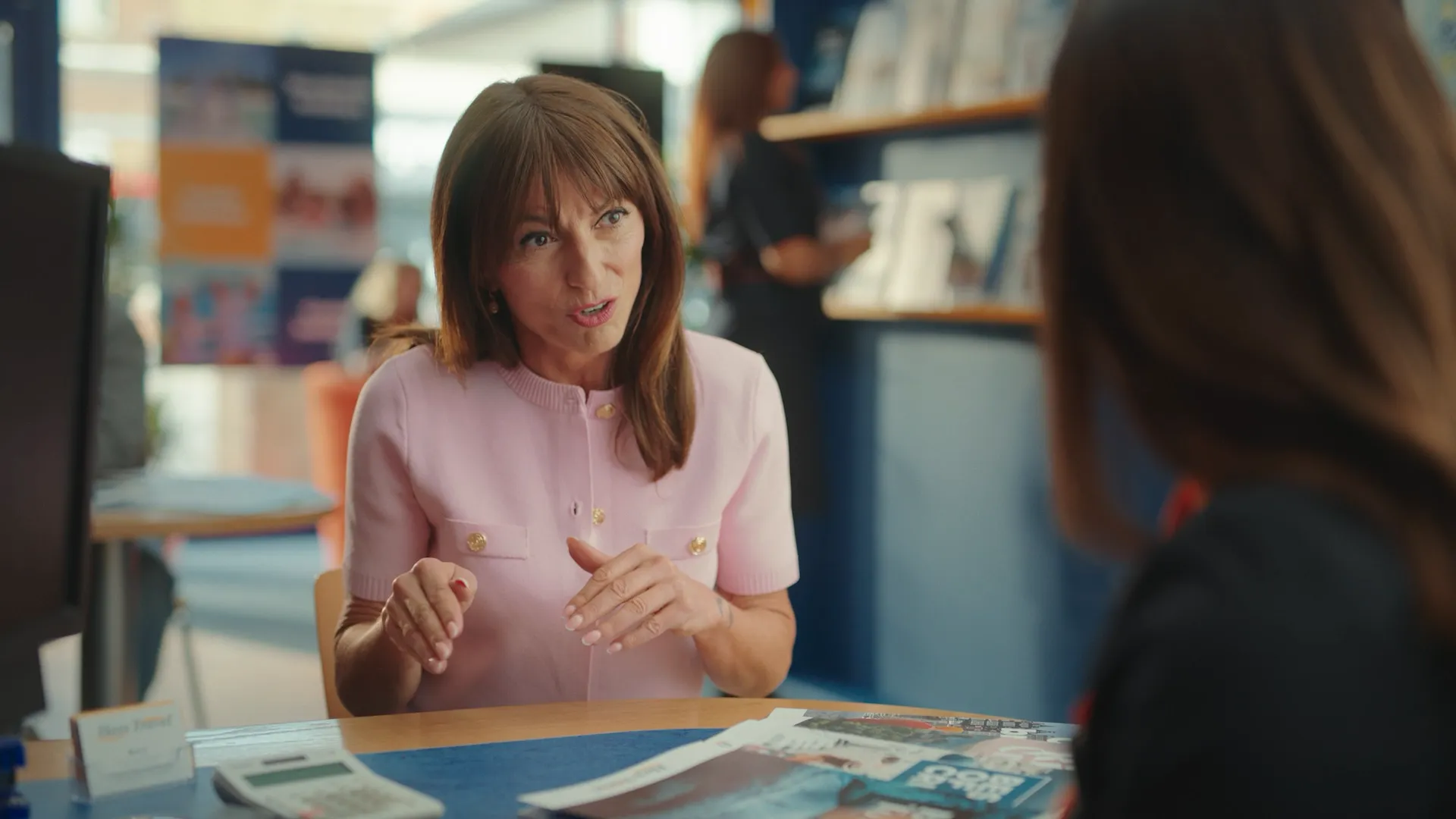
Fun with Claudia
A presenter like Claudia Winkleman brings a different toolkit. Her public profile mixes warmth, clipped delivery and a slightly conspiratorial sense that she’s letting you in on something. Using celebrities in marketing only makes sense if you write to that rhythm.
Things to consider before casting a celebrity
- Does the celebrity naturally live in the world your brand wants to occupy?
- Can you imagine a story with them that would still be watchable without any product shots?
- Are you commissioning enough assets to justify the time, cost and disruption of working with high‑profile talent?
- Does the creative idea still make sense if, for whatever reason, you have to swap the celebrity out?
- Are you clear how the work will adapt for TV, social and any other channel you care about?
The numbers behind the instinct
Marketers are not short of hunches, but they do now have numbers that back up why so many campaigns lean on video and why using celebrities in marketing can be a logical extension of that.
Surveys over the past couple of years paint a consistent picture. Roughly 93-99% of video marketers say video helps people understand their product or service, and more than 80% say it has directly increased traffic, leads and sales. Around 9 in 10 say they see good or positive ROI from their video spend. dash
On the audience side, streaming and social video viewing continue to climb. UK adults now spend close to 50 minutes a day on video‑sharing platforms alone, and that doesn’t account for traditional TV or subscription streaming. Globally, time spent watching social video is forecast to keep rising well into the next few years. broadbandsearch
Fold celebrities into that, and you have a medium audiences already favour, a format marketers trust to deliver, and a familiar face that helps your film jump the queue in a crowded feed.
Stacking the odds in your favour
The danger with using celebrities in marketing is believing the fame will do the heavy lifting. At best, it buys you a bit of attention and some borrowed credibility. What you do with that window still matters.
The stronger campaigns tend to share some common traits:
- They show the celebrity in their natural environment. Even if it’s been polished for TV.
- They choose people whose values and lived experience sit naturally alongside the brand’s.
- They are designed from the outset to live across multiple channels without losing what made the performance interesting. wyzowl
Toast works with celebrities.
Using celebrities in marketing isn’t about chasing the biggest name on the wish‑list. It’s about choosing the right person to carry a story that feels honest. Take time to build a film that lets them be themselves. But remember, your brand needs to be memorable, not just the celebrity. wyzowl